Welcome to Hooser Health
At Hooser Health, we believe natural wellness should be simple, clean, and accessible. Our handcrafted herbal blends are thoughtfully created to support a balanced lifestyle while fitting easily into your everyday routine.
Using premium herbs sourced from trusted growers around the world, each formula is carefully prepared in a certified kitchen to ensure purity, consistency, and quality you can trust. By producing our blends in small batches, we’re able to maintain freshness and give careful attention to every product we create.
Our mission is to make natural wellness feel empowering—not overwhelming. With thoughtfully crafted herbal blends and a commitment to clean, high-quality ingredients, Hooser Health is here to support your journey toward a healthier, more balanced life.
Experience the difference of carefully crafted herbal care—made with purpose, backed by quality, and created with you in mind.
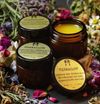
Herbal Products
Reconnect with Nature. Feel the Difference.
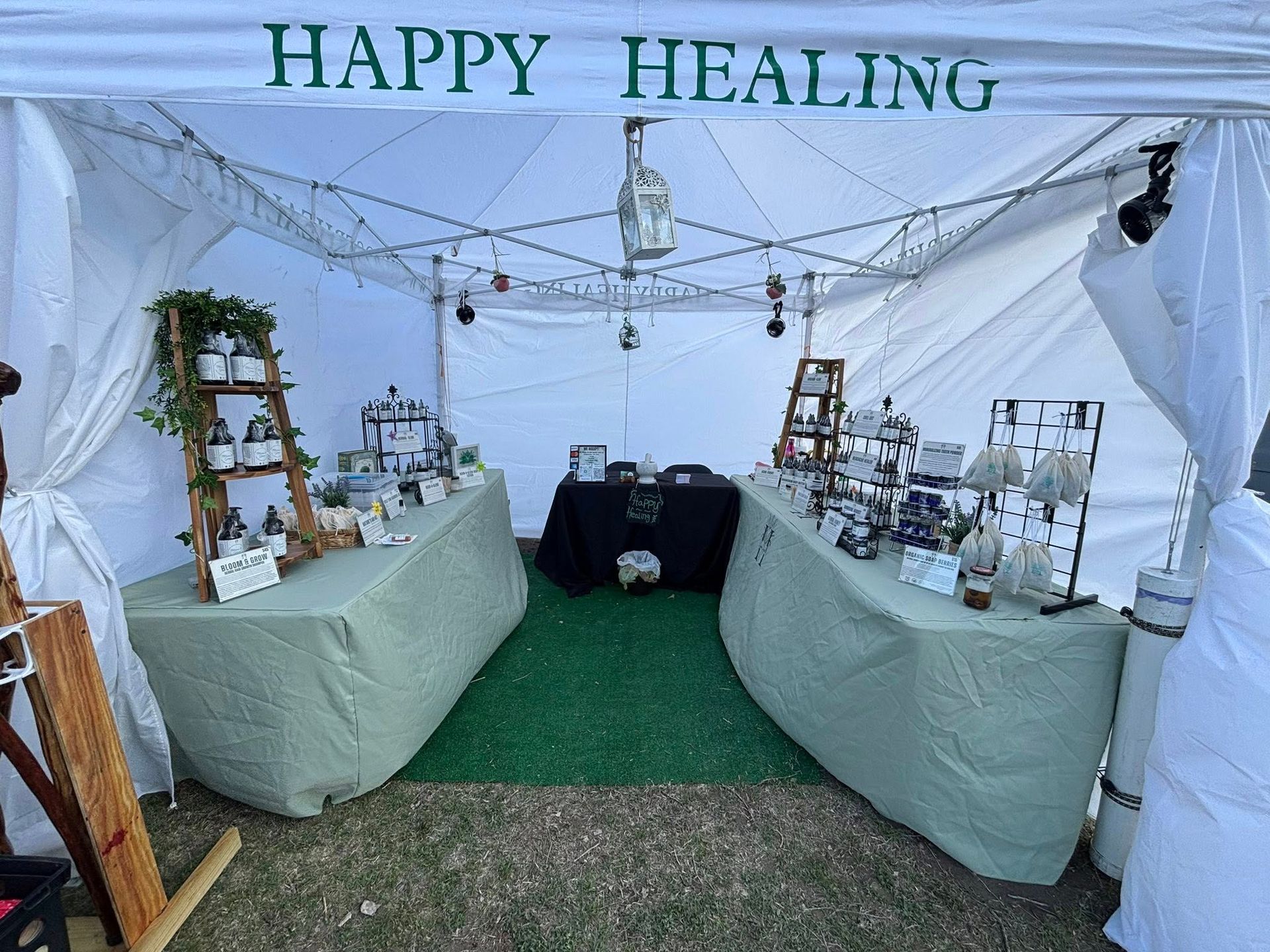
Small-batch herbal remedies handcrafted by Master Herbalist Tiffynie Hooser to support balance, vitality, and natural wellness.
From magnesium support and targeted herbal glycerites to botanical beauty essentials, every product is made with intention in a certified kitchen for freshness and quality you can trust.
No fillers. No fluff. Just real, plant-based support. 🌿
* These products are not intended to diagnose, treat, cure, or prevent any disease. Consult a qualified healthcare professional before use.

Herbal Consultations
Personal Herbal Wellness Guidance
Work one-on-one with Master Herbalist Tiffynie Hooser to explore natural herbal approaches that support balance, vitality, and overall wellness. Each consultation provides personalized guidance to help you incorporate traditional herbal practices into your daily routine. 🌿
* These consultations are for educational purposes only and are not intended to diagnose, treat, cure, or prevent any disease. This service does not replace professional medical care.
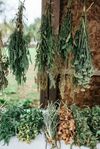
Herbal Remedies
Explore Herbal Remedies & Useful Wellness
Discover herbal tea recipes, nourishing tonics, and useful holistic tips inspired by traditional herbal knowledge. Learn practical ways to incorporate herbs into your daily routine and deepen your understanding of plant-based wellness. 🌿
Common Questions About Herbal Wellness
What is Herbalism?
Herbalism has roots that stretch back thousands of years, with its origins deeply intertwined with the early development of human civilization. Ancient cultures, including the Sumerians, Egyptians, Chinese, and Greeks, recognized the healing properties of plants and began documenting their uses in treating various ailments. In fact, the earliest known records of herbal medicine come from ancient Mesopotamia, where tablets from around 5,000 years ago list plant-based remedies. In China, herbal medicine became an integral part of Traditional Chinese Medicine (TCM), evolving into a sophisticated system of healing that balances the body’s energy (qi). Similarly, the Egyptians used herbs in their healing practices, with texts such as the Ebers Papyrus, dating back to 1500 BCE, showcasing a wealth of botanical knowledge. Greek physicians like Hippocrates and Dioscorides also laid the foundation for Western herbalism, promoting the therapeutic use of herbs and establishing the groundwork for the study of medicinal plants.
Throughout history, herbalism continued to be a vital part of medical practice. During the Middle Ages, monks in Europe preserved and expanded herbal knowledge in monastic gardens, while traditional herbal remedies remained the main form of healthcare in many societies around the world. In the 16th and 17th centuries, the Age of Exploration opened up new botanical frontiers, with herbal knowledge being exchanged between the Old and New Worlds. The discovery of new plants, such as quinine from the cinchona tree, revolutionized treatments for diseases like malaria. However, with the advent of modern medicine and pharmaceutical drugs in the 19th and 20th centuries, herbalism was largely sidelined in favor of synthetic medicines. Despite this, the growing interest in holistic health and alternative medicine in the late 20th and early 21st centuries has led to a resurgence in herbalism. Today, many people seek out plant-based treatments as part of a broader trend towards natural and sustainable wellness practices.
Herbalism offers educational insights into growing and cultivating plants and herbs, exploring their historical and traditional uses in wellness practices, and fostering knowledge of natural approaches to everyday health and well-being.
This information is for educational purposes only and is not intended to diagnose, treat, cure, or prevent any disease. Consult a healthcare professional before using any herbs or supplements.
Sources:
- [History of Herbalism - Vanatisanes](https://vanatisanes.com/history-of-herbalism/)
- [Historical Perspective of Traditional Indigenous Medical Practices - PMC](https://pmc.ncbi.nlm.nih.gov/articles/PMC4020364/)
- [The Origin of Herbal Medicine - Moly.gr](https://moly.gr/origin-of-herbal-medicine/)
- [Herbs That Changed History - Sacred Plant Co.](https://sacredplantco.com/blogs/natures-pharmacy-exploring-the-historical-uses-and-health-benefits-of-medicinal-herbs/herbs-that-changed-history-from-ancient-healing-to-regenerative-revival)
- [History of Ancient Herbal Medicine - IJISRT (PDF)](https://www.ijisrt.com/assets/upload/files/IJISRT25APR1442.pdf)
- [History of Medicinal Plants - Alveus](https://www.alveus.eu/blog/history-medicinal-plants/).
What is a Master Herbalist?
A Master Herbalist is an individual who has completed advanced study and training in the traditional and contemporary use of herbs and botanicals for general wellness support. Master Herbalists study plant identification, herbal preparations, historical herbal traditions, and the ways herbs have been traditionally used to support healthy lifestyles.
Master Herbalists focus on education about herbs, foods, and lifestyle practices that may help support overall well-being. They do not diagnose medical conditions, prescribe medications, or provide medical treatment. Individuals seeking medical care should consult a licensed healthcare professional.
Do Herbal Remedies Really Work?
Herbs have been used in traditional wellness practices across many cultures for centuries. Today, many people use herbs as part of their daily wellness routines to support general health and well-being. Scientific research continues to explore the properties of various plants and their traditional uses.
However, herbal products sold in the United States are typically marketed as dietary supplements and are not approved by the U.S. Food and Drug Administration to diagnose, treat, cure, or prevent diseases. Individual experiences with herbs can vary, and anyone with a medical condition should consult a licensed healthcare professional before using herbal products.
Are Herbs Safe to Use?
Many herbs have a long history of traditional use when prepared and used appropriately. As with foods and dietary supplements, safety depends on factors such as the type of herb, preparation method, dosage, and individual health considerations.
Some herbs may interact with medications or may not be appropriate for certain individuals. Because of this, it is recommended that individuals consult a qualified healthcare professional before adding new herbs or supplements to their wellness routine.
Is Herbalism Legal and FDA Approved?
Yes, herbalism is generally legal in the United States. Herbalists typically operate as educators who share information about the traditional use of herbs, foods, and lifestyle practices that may support overall wellness.
Herbalism itself is not a licensed medical profession in most states, and herbalists do not diagnose medical conditions, prescribe medications, or practice medicine unless they hold a separate medical license that allows them to do so.
Herbal products are commonly sold as dietary supplements and are regulated under the Dietary Supplement Health and Education Act of 1994 by the U.S. Food and Drug Administration. These products are not approved by the FDA to diagnose, treat, cure, or prevent disease.
How do you Become an Herbalist?
There is no single required path to becoming an herbalist in the United States because herbalism is generally an educational and traditional practice rather than a state-licensed profession. Many herbalists study plant identification, herbal preparations, traditional herbal traditions, and holistic wellness practices through herbal schools, certification programs, apprenticeships, and independent study.
Training programs may cover topics such as botany, herbal formulation, traditional plant uses, and safe preparation methods for herbal products like teas, tinctures, salves, and infusions.
Herbalists typically focus on sharing educational information about herbs and wellness practices rather than providing medical diagnosis or treatment.
🌿 Did You Know?
Over 90%
Of Americans may be deficient in at least one essential nutrient.
50%+
More than half of Americans may not get enough magnesium in their diet.
Magnesium
plays a role in hundreds of biochemical processes related to normal body function.
1 in 5
About 1 in 5 Americans has vitamin D deficiency.
Vitamin D levels can be influenced by diet, lifestyle, and limited sun exposure.
1 in 5 Deaths
Heart disease accounts for roughly 1 in every 5 deaths in the United States.
Long-term wellness habits such as nutrition, physical activity, and lifestyle choices can play an important role in overall health
40+ Million
More than 40 million American adults experience anxiety disorders each year.
Stress management, lifestyle habits, and wellness education have become increasingly important topics in modern health discussions
Millions of Nutrient Gaps
Many Americans fall short on key nutrients like magnesium, vitamin D, potassium, and fiber.
Nutrition experts often refer to these as “nutrient gaps” in the modern diet.
Enjoy Life
Enjoy Life More
Discover simple wellness habits and mindful living practices that encourage balance, positivity, and greater enjoyment of everyday life
Healthy choices
Choose Wellness Daily
Learn about nutrition, herbs, and lifestyle habits that can support informed choices for a balanced and wellness-focused lifestyle
Wellness Skills for Life
Gain practical wellness knowledge and traditional herbal insights you can continue exploring and using as part of a lifelong journey toward healthy living.
Find Your Calm
Explore relaxation techniques, herbal traditions, and mindful practices that may help support a calmer and more balanced daily routine